
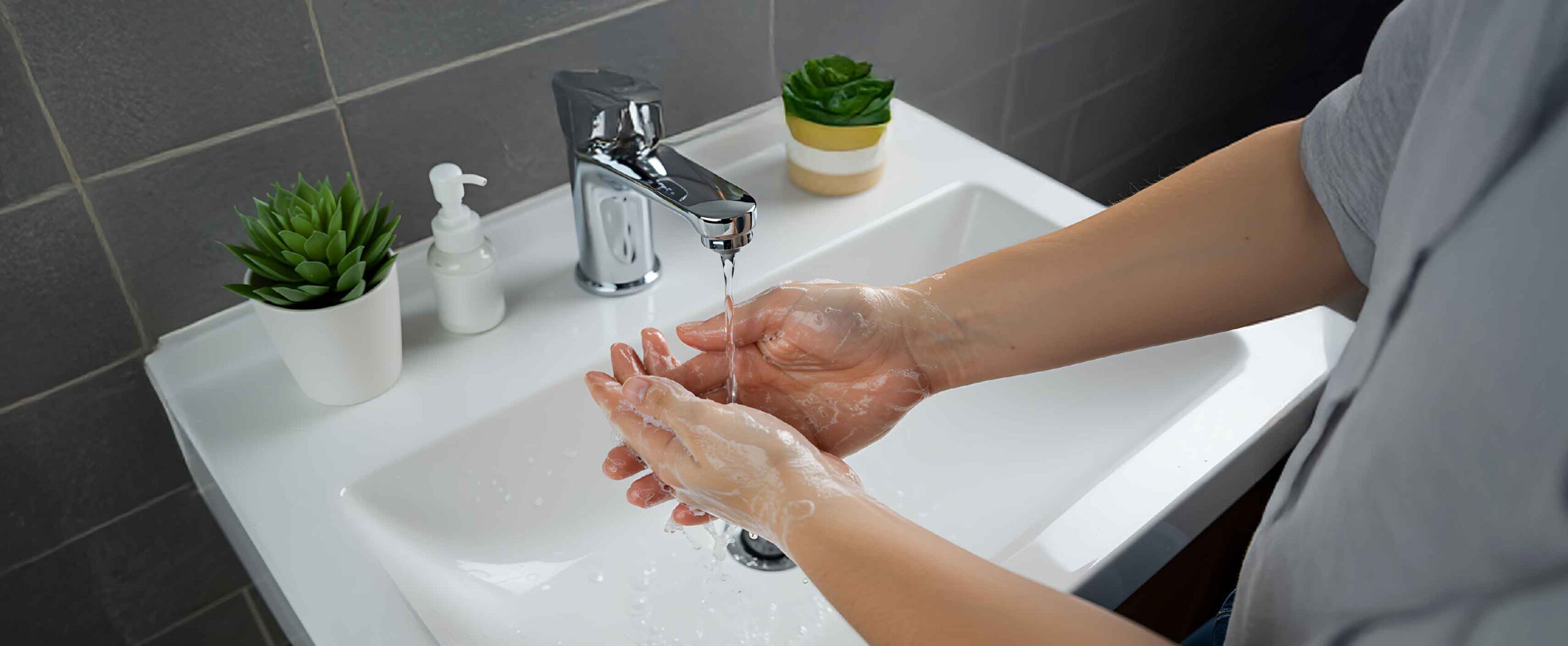
There’s nothing like stepping into the shower expecting a strong stream of water and getting a disappointing drizzle instead. Low water pressure can throw off your whole routine, from washing dishes to running laundry; and over time it can even cause higher utility bills.
Here are five common reasons why your water pressure might be low and what you can do about it.
1. Clogged Pipes
A common cause of low water pressure is a buildup inside your pipes. Many homeowners think clogs form right under the drain, but they can actually develop deeper within the plumbing system. Even a small clog can restrict water flow enough to reduce pressure throughout your home.
Because clogs can occur anywhere in the system, locating and clearing them yourself is rarely effective. A licensed plumber has the tools and expertise to identify the blockage and safely remove it. Once the clog is gone, your water pressure should return to normal.
2. Corroded Pipes
Corrosion is another major cause of low water pressure. If your home is older, your plumbing may simply be reaching the end of its service life.
If additional fixtures such as a bathroom or washing machine were added after your home was built and your plumbing lines were not upgraded, the extra demand can speed up corrosion. When corrosion is the culprit, the best long-term solution is to have a professional plumber re-pipe your home.
3. Faulty Fixtures
If only one or two fixtures in your home have low water pressure, the problem may lie with the fixtures themselves. Faucets and showerheads have small screens called aerators that help control water flow. Over time, these aerators can become clogged with dirt, rust, or mineral buildup.
Remove and clean the aerator to see if that restores the flow. If not, the fixture may be too damaged or blocked to repair. In that case, replacing the fixture is often the simplest and most cost-effective solution.
4. Closed Water Valves
Your home has two main water valves that control flow. If either of these valves is partially closed, it can reduce water pressure throughout your home. This sometimes happens after plumbing repairs or maintenance when a valve isn’t fully reopened.
One valve is usually located inside your home, and the other is at the water meter or in your basement if you live in a colder climate. Check both to make sure they are fully open. If a valve is damaged or stuck, contact a plumber to inspect and replace it if necessary.
5. Issues with Your Water Supplier
If you have checked everything in your home and your low water pressure persists, the issue could be with your municipal water supply. Ask your neighbours if they are experiencing similar problems. If they are, contact your local water supplier to report the issue and find out if repairs or maintenance are underway.
How Mr. Rooter Windsor Can Help
If you are tired of dealing with low water pressure or inconsistent hot water, the licensed plumbers at Mr. Rooter Windsor are ready to help. We use advanced tools and proven techniques to identify the cause and restore strong, steady water flow in your home.
Our team is known for professional service, punctual arrivals, and transparent pricing. Every job is completed with care and respect for your home and budget.
Whether you need repairs, pipe or fixture replacement, or routine maintenance, Mr. Rooter Windsor can fix your low water pressure and get your plumbing system running efficiently again.
Need plumbing repair?
Contact Mr. Rooter Plumbing Windsor.
With hundreds of locations across Canada and the U.S, Mr. Rooter Plumbing® proudly serves homeowners and businesses through a trusted network of independently owned and operated locations. Guided by a shared set of values, our team is committed to delivering reliable plumbing solutions and the best customer service possible.
Follow us on Facebook and Instagram for plumbing tips, expert advice, and the latest promotions.